The Allianz Zukunft Reifen (AZuR) has published an updated version of its Greenpaper on the status of the tyre circular economy in Europe. Across 32 pages, it outlines the ecological and economic potential of retreading, repair, regrooving, and both mechanical and chemical tyre recycling.
The Greenpaper highlights the contributions of a consistently implemented circular economy to climate protection, resource conservation and industrial competitiveness. It also formulates concrete policy demands: in order to unlock existing potential, adjustments to the regulatory framework are urgently required. The European Court of Auditors likewise emphasises the need “to strengthen recycling markets, as a circular economy requires functioning markets, consistent implementation and reliable financing in the EU.”
According to Christina Guth, Coordinator of the AZuR network, the tyre circular economy is “a functioning example of sustainable economic activity in Europe. It combines climate protection, resource conservation and economic value creation. However, in order to fully realise these potentials in line with the Clean Industrial Deal, clear political framework conditions and stronger support for circular solutions are required.”
Circular economy as a key to climate protection and industrial future
The European economy is facing multiple challenges: it must become more climate-neutral, increase its competitiveness and secure its raw material supply at the same time. The transition from a linear economic model-produce, use, dispose-to a functioning circular economy plays a central role in this process. Without a significantly more efficient use of resources, neither climate targets nor Europe’s long-term competitiveness can be secured.
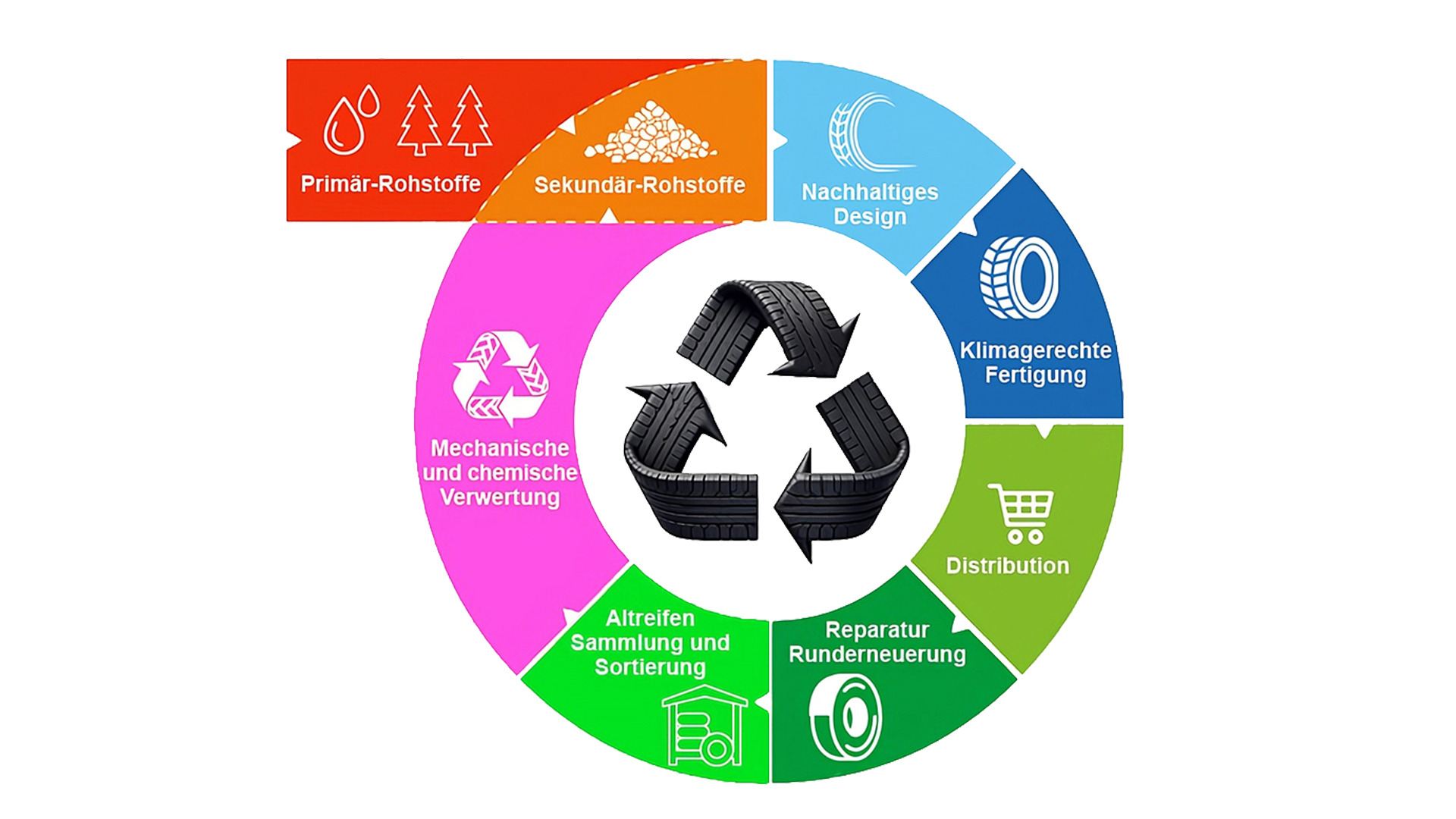
The Clean Industrial Deal initiated by the European Commission provides important impetus for a sustainable industrial policy. However, the new AZuR Greenpaper makes it clear that the circular economy must take a more central role in political action. Only if products are designed from the outset for reuse, repair, retreading and recycling can resources be kept in circulation in the long term.
This transformation is becoming increasingly relevant, particularly in the mobility sector. As vehicle numbers rise, so too does the demand for tyres—and with it the volume of end-of-life tyres. A sustainable tyre circular economy offers the opportunity to combine ecological challenges with economic potential.
AZuR tyre circular economy as a proven success model
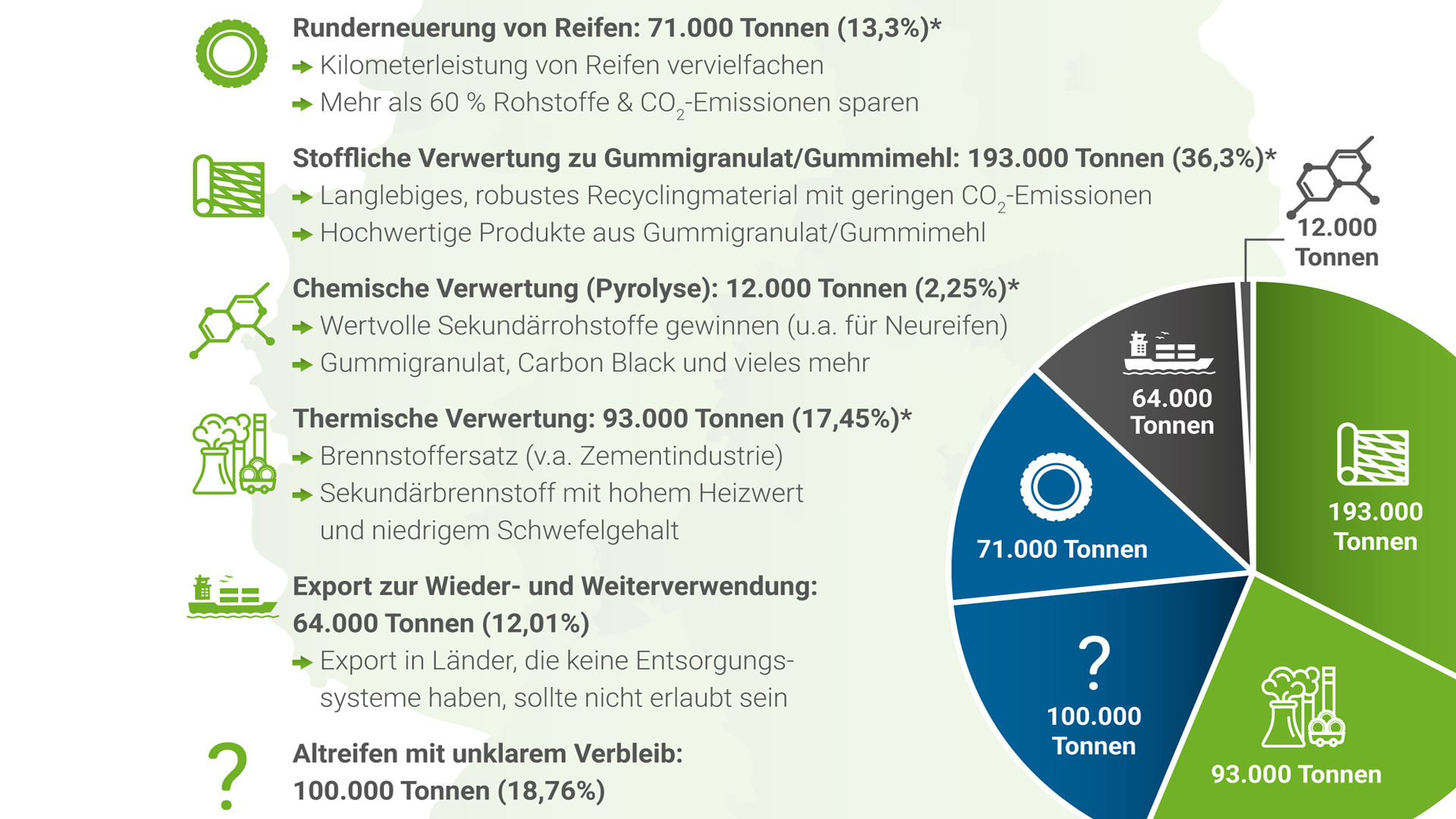
The tyre circular economy implemented by AZuR together with more than 80 European partners from industry, SMEs, trade and academia is regarded as a model for successful circular economic practice. In Germany, more than 60 per cent of the approximately 533,000 tonnes of end-of-life tyres generated annually — and their valuable raw materials — are already kept within the cycle.
Tyres collected by certified disposal companies are inspected and then directed towards the most appropriate reuse or recovery pathway.
A key component of the tyre circular economy is extending the service life of tyres through repair, regrooving and retreading. In the commercial vehicle sector in particular, retreading enables highly resource-efficient use, as tyres can be retreaded up to three times. Compared with the production of new tyres, retreading saves significant amounts of energy, raw materials and CO₂ emissions, while also reducing tyre operating costs by up to 30 per cent.
Valuable secondary raw materials from end-of-life tyres
Tyres that can no longer be repaired, regrooved or retreaded are directed towards climate-friendly recycling. Mechanical recycling processes generate valuable secondary raw materials such as steel wire, textile fibres and, above all, rubber granulate. The steel can be remelted, while the textile fibres offer excellent insulation properties. Rubber granulate is used in the manufacture of high-quality recycled products across a wide range of industries and applications.
In chemical recycling, innovative technologies such as devulcanisation and end-of-life tyre pyrolysis are gaining increasing importance. In modern, highly efficient facilities, tyre rubber is thermochemically decomposed at temperatures of 500 to 700 °C in the absence of oxygen. This process produces gas, pyrolysis oil and a solid carbon residue, which is processed into recovered carbon black (rCB)—a valuable raw material for the tyre and chemical industries.
Need for political action in Germany and Europe
Despite efficient technologies, successful practical implementation and growing recognition, AZuR still sees considerable need for political action. The Greenpaper therefore formulates concrete demands for policymakers and public authorities at federal, state and European level.
These include stronger support for repair and retreading, binding quality and sustainability standards, and the targeted inclusion of retreaded tyres in public procurement. Equally important is the development of a European market for high-quality secondary raw materials from recycling processes.
In addition, AZuR calls for clear regulatory frameworks for innovative recycling technologies and greater recognition of recycled materials as equivalent raw materials. Only in this way can investments in sustainable technologies be secured in the long term.
Current developments at European level show that the circular economy is increasingly being recognised as a strategic component of a resilient industrial policy. Industry associations in the waste management and recycling sector emphasise that high-quality recycling structures not only contribute to climate protection, but also play a key role in securing raw materials and industrial value creation in Europe.
The European Court of Auditors also stresses the need to strengthen the policy framework for functioning recycling markets: a successful circular economy requires efficient markets for secondary raw materials, consistent implementation of existing EU regulations and reliable financing of corresponding measures.
Circular economy as an opportunity for climate, economy and society
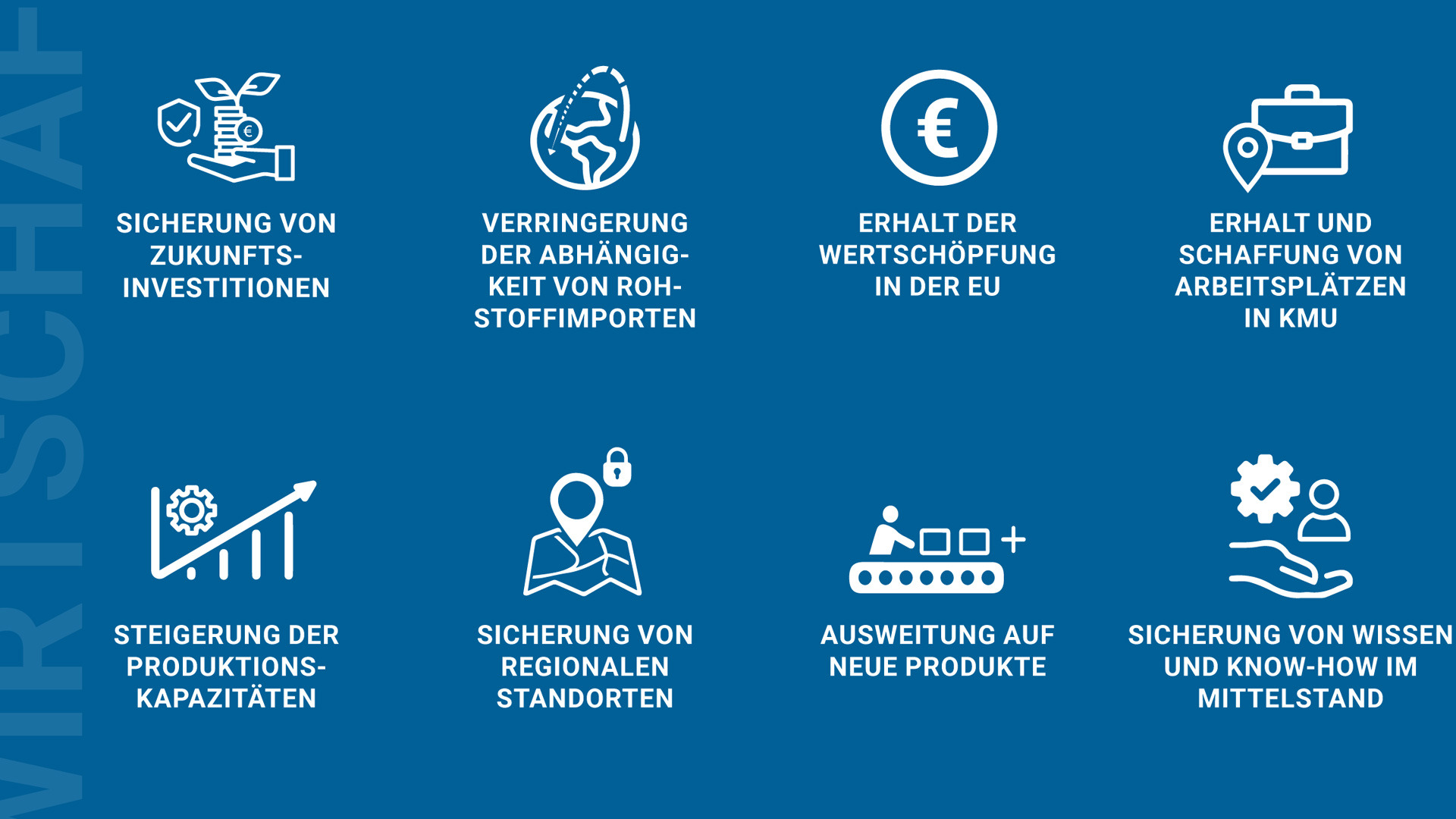
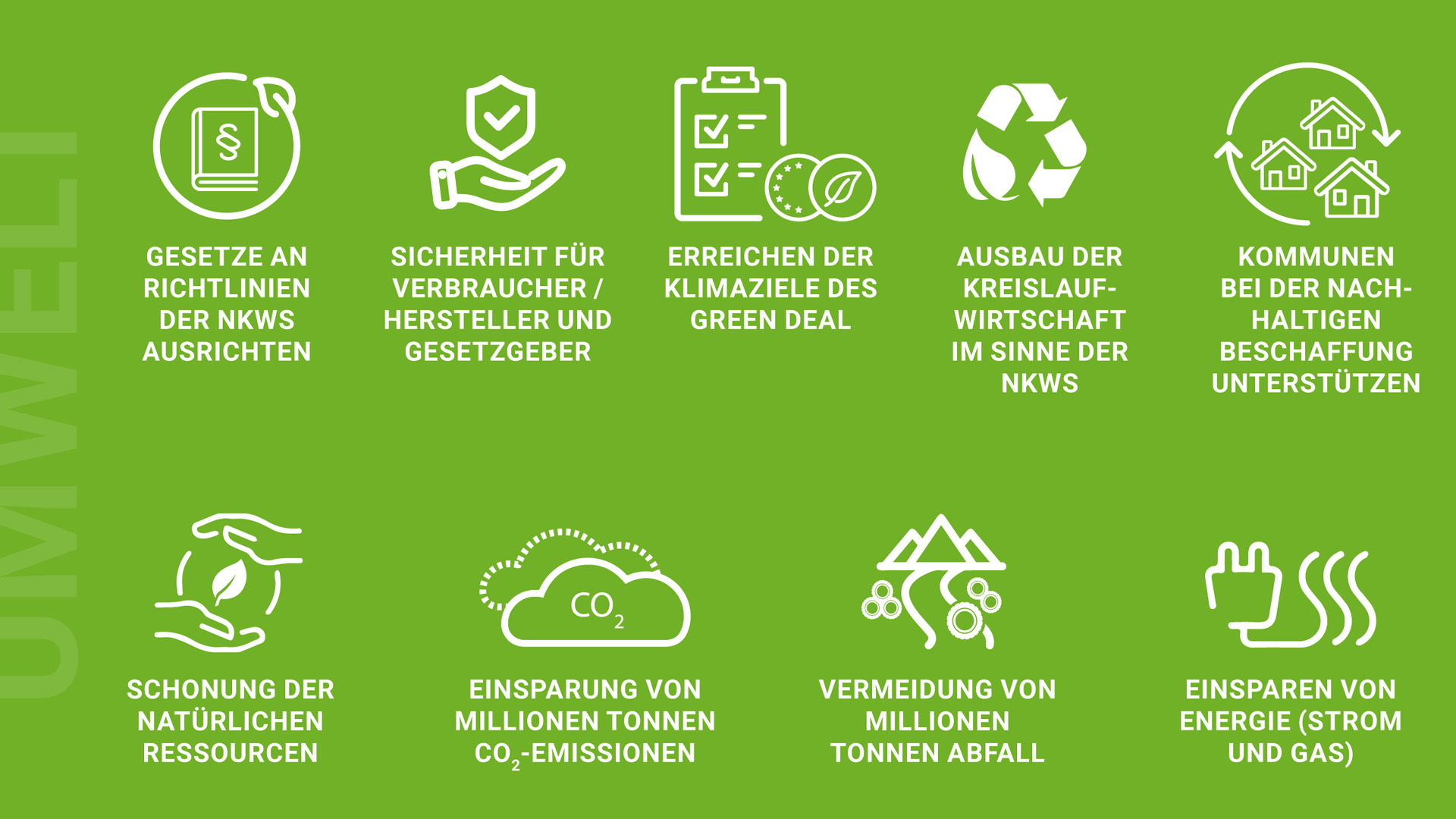
The updated AZuR Greenpaper makes it clear: a consistently implemented tyre circular economy offers multiple benefits. It reduces waste and CO₂ emissions, conserves natural resources and at the same time strengthens regional value chains and small and medium-sized enterprises.
It can therefore make an important contribution to the transformation of European industry. However, this requires policymakers, businesses and society to jointly create the necessary framework conditions and consistently leverage existing potential.
For Guth, one thing is clear: “Without consistent circular economic practices—not only in the tyre sector—the Clean Industrial Deal will not be able to achieve its objectives.”
To the press compartment of AZUR - ALLIANZ ZUKUNFT REIFEN
Downloads to this press release